Los Angeles County, California
Car Accidents in Los Angeles County
Updated . General information, not legal advice about your situation.
Legal review: Elham Azimy, California State Bar No. 207274 (law and claims only).
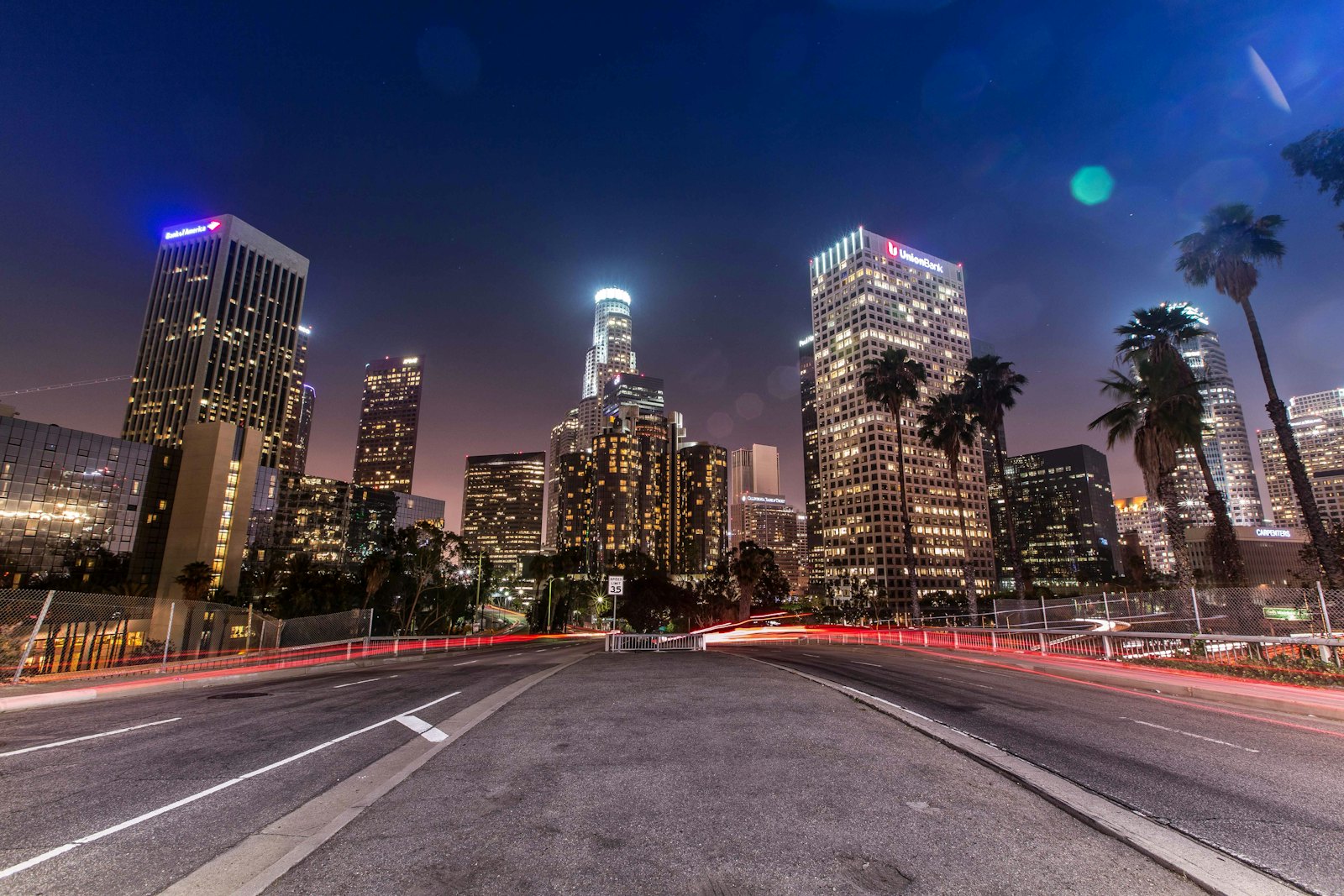
Los Angeles County is home to nearly 10 million people in 88 cities and large unincorporated areas, and to the most congested freeway network in the United States. The I-405 through the Sepulveda Pass and the South Bay, the I-10 from Santa Monica to Pomona, the I-5 through downtown and the San Fernando Valley, the US-101, the I-110 and I-710 port corridors and the I-605 and SR-91 all carry daily volumes that produce thousands of injury collisions each year. The county also records the state’s highest counts of pedestrian deaths and hit-and-run collisions, concentrated in the City of Los Angeles.
Jurisdiction is more complex here than anywhere else in California. The City of Los Angeles is policed by LAPD, whose traffic divisions handle injury collisions by geographic bureau. Forty-two cities contract with the Los Angeles County Sheriff’s Department. The rest—Long Beach, Pasadena, Glendale, Burbank, Torrance, Santa Monica, Inglewood, Pomona and others—have their own departments. This page explains the county-wide picture and links to detailed pages for the largest cities.
Cities in Los Angeles County
Detailed pages for the county’s largest cities, each covering the local police agency, the freeways and arterials where collisions cluster, nearby hospitals and the courthouse that hears injury cases.
Other Los Angeles County communities
Downtown Los Angeles
Downtown is served by LAPD Central Bureau, with Central Traffic Division investigating injury collisions. The 4-Level Interchange (US-101/SR-110), the I-10/I-110 junction and the east-west stub of SR-60 surround the core; high pedestrian volumes around Union Station, the Fashion District and Crypto.com Arena are part of nearly every downtown collision picture.
Collision reports: LAPD Central Traffic Division · Freeways: I-10, I-110, US-101, SR-110, I-5
Hollywood
Hollywood is an LAPD division, not a separate city, so reports come through LAPD. US-101 cuts through the district; Hollywood, Sunset and Santa Monica boulevards carry nightlife traffic with large numbers of pedestrians and rideshare pick-ups late at night.
Collision reports: LAPD Hollywood Division / West Traffic Division · Freeways: US-101
West Hollywood
West Hollywood is a separate city policed under contract by the Los Angeles County Sheriff’s Department’s West Hollywood Station, so collision reports are requested from LASD rather than LAPD. The city has no freeway; Santa Monica Boulevard, Sunset Boulevard and La Cienega carry dense pedestrian and rideshare activity.
Collision reports: Los Angeles County Sheriff’s Department (West Hollywood Station)
Beverly Hills
Beverly Hills has its own police department and no freeway. Wilshire, Santa Monica and Olympic boulevards are regional through-routes, and the Wilshire corridor has seen prolonged Metro D Line construction affecting lane configurations.
Collision reports: Beverly Hills Police Department
Culver City
Culver City has an independent police department. The I-405/I-10 interchange sits at its western edge, and the Marina Freeway (SR-90) ends inside the city; Venice, Washington and Sepulveda boulevards are the main surface corridors.
Collision reports: Culver City Police Department · Freeways: I-405, I-10, SR-90
West Covina
West Covina has its own police department. I-10 (San Bernardino Freeway) runs through the city; Azusa Avenue (SR-39), Glendora Avenue and the Plaza West Covina area concentrate retail traffic.
Collision reports: West Covina Police Department · Freeways: I-10, SR-39 (Azusa Avenue)
Who investigates and where claims are filed
Freeway collisions are investigated by CHP’s Southern Division, with area offices including Central Los Angeles, West Los Angeles, East Los Angeles, South Los Angeles, West Valley, Newhall, Altadena, Santa Fe Springs, Baldwin Park and Antelope Valley. The CHP 555 report is requested from the handling office.
Within the City of Los Angeles, LAPD’s four traffic divisions (Central, South, Valley, West) investigate injury collisions. Reports are requested through LAPD’s online Traffic Collision Report request or Records & Identification Division; LAPD is often slower than other agencies. Cities contracting with the Sheriff—among them Compton, Lancaster, Palmdale, Santa Clarita, Norwalk, Pico Rivera, West Hollywood, Carson, Lakewood, Cerritos, La Mirada, Malibu, Calabasas and Agoura Hills—get reports from the LASD station that handled the crash. Independent departments serve Long Beach, Pasadena, Glendale, Burbank, Torrance, Santa Monica, Inglewood, Pomona, Downey, El Monte, Alhambra, Whittier, Hawthorne, Gardena, Culver City, Beverly Hills, West Covina, Montebello, Monterey Park and others.
Injury lawsuits are filed in the Superior Court of California, County of Los Angeles. Unlimited civil personal injury cases are generally filed at the Stanley Mosk Courthouse downtown and assigned to the Personal Injury hub courts, though the court periodically redistributes cases to district courthouses (Van Nuys, Long Beach, Pomona, Santa Monica, Torrance and others). Government claims against the City of Los Angeles go to the City Clerk; against the county, to the Executive Office of the Board of Supervisors; against Metro, to its Risk Management department.
Trauma and hospital care
Los Angeles County has the region’s densest trauma network. Level I adult centers include LAC+USC Medical Center, Ronald Reagan UCLA Medical Center, Cedars-Sinai Medical Center and Harbor-UCLA Medical Center; Level II centers include Long Beach Medical Center, Huntington Hospital in Pasadena, Providence Holy Cross in Mission Hills, Antelope Valley Hospital, Pomona Valley Hospital, St. Francis in Lynwood, St. Mary in Long Beach, Northridge Hospital, Henry Mayo Newhall and California Hospital downtown. Children’s Hospital Los Angeles is the pediatric Level I center. Rancho Los Amigos in Downey is the county’s rehabilitation hospital for spinal cord and brain injury.
Collision patterns in Los Angeles County
Hit-and-run
Los Angeles records more hit-and-run collisions than any other U.S. city, with LAPD reporting tens of thousands annually, and a majority of pedestrian fatalities in some years involving a fleeing driver. See hit-and-run accidents and our Los Angeles hit-and-run page.
Pedestrian collisions
The City of Los Angeles’s Vision Zero High-Injury Network identifies a small share of streets—Western, Vermont, Figueroa, Sepulveda, Van Nuys, Roscoe, Sherman Way, Florence—accounting for most severe pedestrian injuries. See pedestrian accidents and Los Angeles pedestrian collisions.
Port and freight truck traffic
The I-710 and I-110 connect the Ports of Los Angeles and Long Beach to rail yards and warehouses, carrying the nation’s heaviest container truck volumes. See truck accidents and Long Beach truck collisions.
Rideshare density
LAX, Hollywood, downtown and the Westside have the region’s highest rideshare trip density, producing passenger and third-party claims against Uber and Lyft commercial policies. See rideshare accidents and Los Angeles rideshare collisions.
Freeway congestion crashes
The I-405 Sepulveda Pass, the I-10/I-110 downtown interchange, the I-5/SR-170 split and the I-605/SR-60 junction are chronic rear-end and multi-vehicle collision sites. See freeway accidents.
Serious injury
The county’s high-speed and pedestrian collisions produce a large share of the region’s brain and spinal injuries. See traumatic brain injuries and Los Angeles brain injury claims.
Local claim guides in Los Angeles County
Los Angeles County questions
How do I get an LAPD traffic collision report?
Through LAPD’s online Traffic Collision Report request or by mail or in person at Records & Identification Division. Have the report number (DR number) if you received one. LAPD reports can take several weeks.
I was hit in West Hollywood. Is that LAPD?
No. West Hollywood is a separate city policed by the Los Angeles County Sheriff’s Department’s West Hollywood Station. Hollywood, by contrast, is an LAPD division within the City of Los Angeles.
A Metro bus was involved in my crash. What is different?
Metro is a public entity, so a written government claim must be presented within six months of the crash before any lawsuit, and the claim goes to Metro’s Risk Management department. The same six-month rule applies to LADOT buses, city vehicles and dangerous road conditions.
Injured in Los Angeles County? Describe what happened and we will review your inquiry.
Sources and official resources
- California Highway Patrol — find an office
- LAPD — request a traffic collision report
- Vision Zero Los Angeles (LADOT Livable Streets)
- California Courts Self-Help Guide
- Government Code § 911.2 (six-month claim deadline against public entities)
- California Office of Traffic Safety — crash rankings by city
Links go to official government, court and public-health sources. Laws change; verify current text before relying on it.