Accident type · California
Drunk and Impaired Driving Accidents
Crashes caused by alcohol or drug impairment. The civil claim is separate from the criminal case.
Updated . General information, not legal advice about your situation.
Legal review: Elham Azimy, California State Bar No. 207274 (law and claims only).
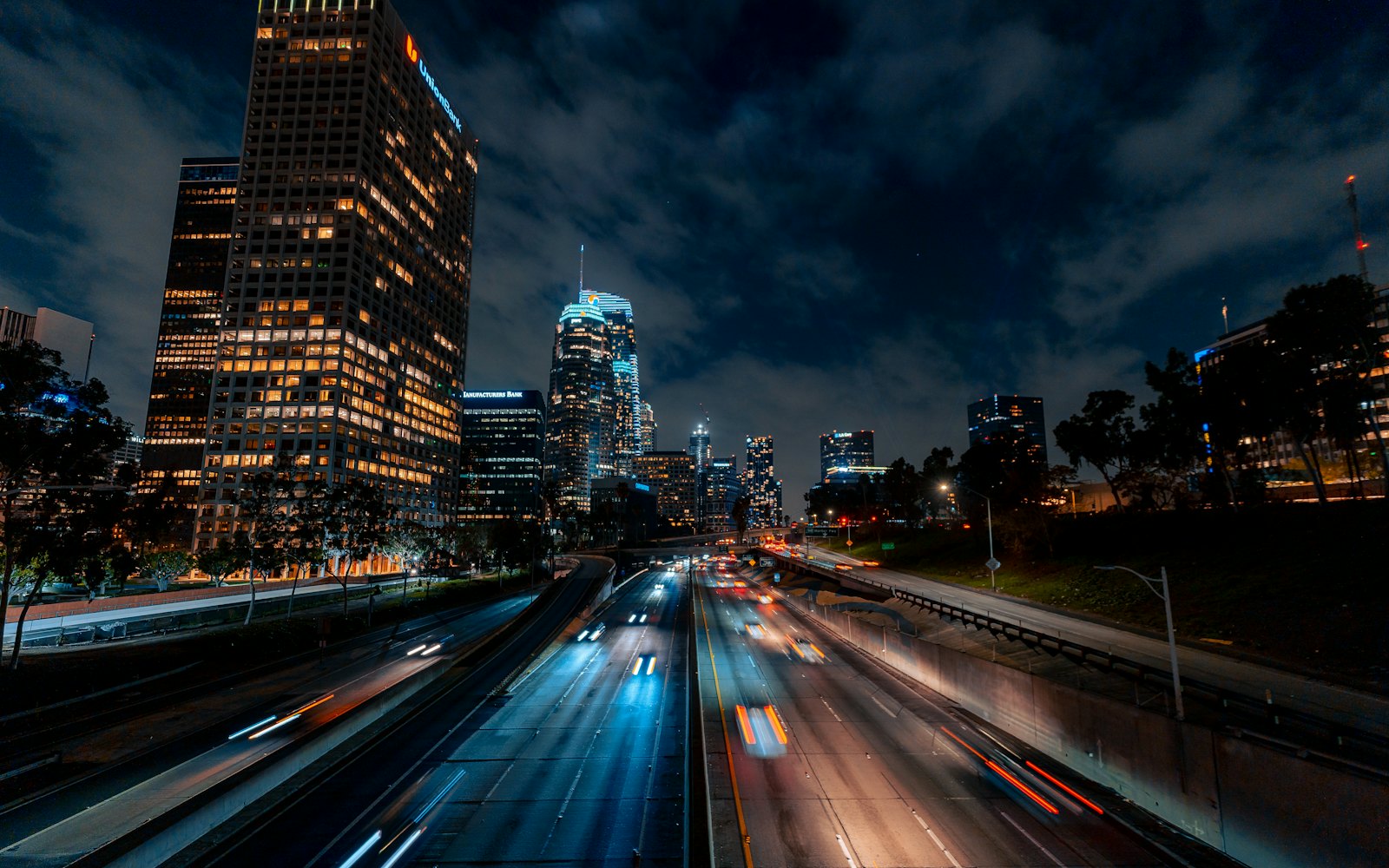
Impaired driving remains a leading cause of serious and fatal collisions in California, concentrated late at night and on weekends near nightlife districts—downtown Fullerton, Pacific Beach, Hollywood, Old Town Temecula, the Newport Peninsula—and on the freeways leading away from them. If an impaired driver injured you, two separate legal processes begin: the state’s criminal prosecution and your civil claim for compensation. They run on different tracks with different standards.
The criminal case versus your claim
Vehicle Code § 23152 makes it a crime to drive under the influence of alcohol or drugs or with a blood alcohol concentration of 0.08% or more (0.04% for commercial drivers, 0.01% for drivers under 21), and § 23153 makes DUI causing injury a more serious offense. The prosecutor controls the criminal case; you are a witness and a victim, not a party. Its outcome is relevant to your claim—a conviction or plea is powerful evidence of negligence—but your claim does not depend on it. Civil liability requires only proof by a preponderance of the evidence that the driver’s negligence caused your injuries, a lower standard than the criminal case.
Punitive damages
California permits punitive damages against a defendant who acted with malice, oppression or fraud (Civil Code § 3294). The California Supreme Court held in Taylor v. Superior Court (1979) that driving while intoxicated can constitute the conscious disregard for safety that supports punitive damages. Punitive damages are not covered by insurance as a matter of California public policy, so their practical value depends on the driver’s assets, but the threat of them influences settlement.
Restitution in the criminal case
If the driver is convicted, the criminal court must order restitution to victims for economic losses such as medical bills, lost wages and property damage (Penal Code § 1202.4). Restitution does not cover pain and suffering and is often uncollectible in full, but it is a separate right that does not require a civil lawsuit. Notify the prosecutor’s victim-witness office that you want restitution.
Can the bar, restaurant or host be held responsible?
Usually not. California’s dram shop law (Business and Professions Code § 25602 and Civil Code § 1714(c)) treats the consumption of alcohol, not the furnishing of it, as the cause of resulting injuries, and immunizes servers and social hosts. The exception is narrow: a licensed seller who serves an obviously intoxicated minor (§ 25602.1), or a social host who knowingly furnishes alcohol to a minor at their home (§ 1714(d)). Claims against establishments outside those exceptions generally fail.
Drugged driving and cannabis
Impairment by cannabis, prescription medication or other drugs is treated the same as alcohol impairment under § 23152(f) and (g). Proving drug impairment is harder because there is no per se limit, and toxicology results require interpretation. Field sobriety observations, drug recognition expert evaluations and the driver’s statements fill the gap.
Insurance considerations
The impaired driver’s liability policy covers compensatory damages; intoxication is not an exclusion. Serious DUI injuries frequently exceed the driver’s limits, which makes your own underinsured motorist coverage important. If the driver was working at the time, the employer may also be liable. If the driver fled, see hit-and-run accidents.
Where impaired-driving crashes concentrate
- Temecula: wine country roads and Old Town.
- Fullerton: the downtown bar district and Harbor Boulevard.
- San Diego: Pacific Beach, the Gaslamp and the I-5/I-8 corridors.
- Newport Beach and Huntington Beach: the Peninsula and Main Street after midnight.
Local guides
City-specific pages for drunk and impaired driving accidents in California.
Common questions
The driver was arrested for DUI but the case was dismissed. Does that hurt my claim?
Not necessarily. Criminal cases can be dismissed for reasons unrelated to whether the driver caused the crash, such as suppression of a blood test. Your civil claim is decided on its own evidence under a lower burden of proof.
Should I attend the criminal hearings?
Victims have the right to be notified of and attend proceedings and to be heard at sentencing under Marsy’s Law. Attending is your choice; coordinate with the prosecutor’s victim-witness advocate and be mindful that statements you make in court can be used in the civil case.
How do punitive damages get paid if insurance does not cover them?
From the defendant personally. In practice, punitive damages are often the lever that leads an insurer to pay policy limits promptly, since the driver faces personal exposure if the case goes to verdict.
Describe what happened. Attorney Elham Azimy reviews every inquiry personally and, if we can help, calls you to talk it through. Free evaluation; no fee unless we recover for you.
Sources and official resources
- Vehicle Code § 23152 (driving under the influence)
- Civil Code § 3294 (punitive damages)
- Civil Code § 1714 (general duty of care / negligence)
- NHTSA — drunk driving
Links go to official government, court and public-health sources. Laws change; verify current text before relying on it.