Accident type · California
Uninsured and Underinsured Motorist Accidents
The at-fault driver has no insurance or too little. Your own policy may be the answer.
Updated . General information, not legal advice about your situation.
Responsible attorney: Elham Azimy, California State Bar No. 207274.
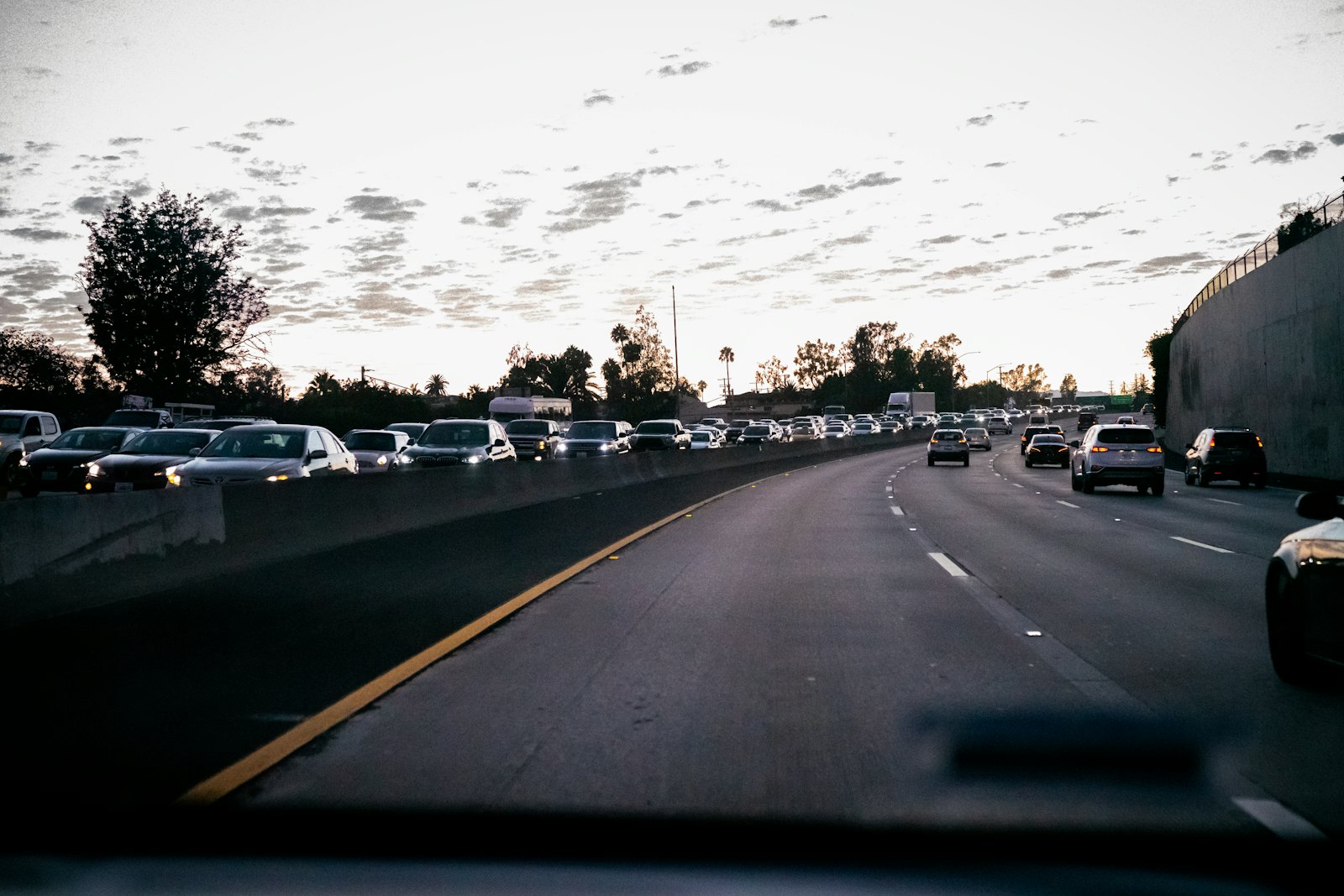
California has one of the highest rates of uninsured driving in the country, and it is not evenly distributed: dense, lower-income cities and border areas see more uninsured and minimally insured drivers. Even when the other driver is insured, California’s minimum limits—$30,000 per person for policies issued or renewed since January 1, 2025, and only $15,000 before that—are easily exceeded by an emergency room visit and a few weeks of lost work. Uninsured and underinsured motorist coverage exists for exactly this situation.
What UM and UIM coverage are
Insurance Code § 11580.2 governs uninsured and underinsured motorist coverage. UM addresses covered injuries caused by an uninsured at-fault driver; UIM addresses a driver whose liability limits are lower than the applicable UIM limits. These are different coverage questions. Check your declarations page, endorsements and any signed rejection of coverage for “UM/UIM BI.”
UIM is not an automatic payment of the difference between two policy limits. Covered damages, liability payments, offsets and policy requirements determine any benefit. For example, with $100,000 in applicable UIM limits and $30,000 paid under the at-fault driver’s liability coverage, $70,000 is a possible remaining ceiling, not a promised payment. An attorney should review the policy and settlement requirements before you release the other driver. See our uninsured driver and UIM guide.
- UM/UIM covers you as a driver, a passenger in your own car, a passenger in someone else’s car, a pedestrian and a cyclist.
- It also covers resident relatives in your household under most policies.
- Hit-and-run collisions are treated as uninsured, subject to a police report requirement.
- Uninsured motorist property damage (UMPD) is a separate, smaller coverage for vehicle damage when the uninsured driver is identified.
- Medical payments (MedPay) coverage pays medical bills regardless of fault and is often the first coverage used.
How a UM claim works
- Confirm the other driver is uninsured or underinsured.
Request their insurer’s written denial or a statement of limits. If they gave false information, the DMV’s SR-1 process and police report help establish it.
- Notify your own insurer promptly.
Your policy has notice requirements, and hit-and-run UM claims have strict reporting rules.
- Provide medical records and proof of losses.
Your insurer evaluates the claim much as the other driver’s insurer would.
- Negotiate or arbitrate.
UM/UIM disputes over the value of a claim are decided by arbitration under § 11580.2(f), not by a jury, unless the policy provides otherwise.
- For UIM, settle with the at-fault insurer first.
UIM generally requires exhausting the at-fault driver’s limits, and your insurer must consent to that settlement to preserve its subrogation rights.
Proposition 213: if you were uninsured
Civil Code § 3333.4 bars an injured driver who was uninsured at the time of the crash from recovering non-economic damages (pain and suffering) from the at-fault driver, even if the other driver was entirely at fault. Economic damages—medical bills, lost wages, property damage—remain recoverable. The bar does not apply to passengers, pedestrians or cyclists, and there is an exception when the at-fault driver was convicted of DUI. If you own a car but were injured in someone else’s insured car, the rule generally does not apply.
Suing an uninsured driver personally
You can obtain a judgment against an uninsured driver, and the DMV will suspend their license for an unsatisfied judgment arising from a collision (Vehicle Code § 16370 et seq.). Collection is often impractical, but the suspension creates pressure and a judgment lasts ten years and is renewable. Whether to pursue it depends on the driver’s circumstances.
Time limits
UM claims have their own clock: under § 11580.2(i), you generally must file a lawsuit against the uninsured driver, agree with your insurer on the amount, or formally demand arbitration within two years of the collision, or the UM claim is barred. Do not assume that keeping the claim “open” with your insurer satisfies this.
California areas where this matters most
- Santa Ana, Garden Grove and central Los Angeles: dense cities with many minimally insured drivers.
- San Bernardino and Moreno Valley: high uninsured rates on wide arterials.
- San Diego and Chula Vista: cross-border traffic with Mexican-insured vehicles.
Common questions
Will making a UM claim raise my premiums?
California regulations prohibit insurers from surcharging for accidents in which you were not principally at fault. A UM claim where the other driver caused the crash should not be a chargeable accident.
The other driver had minimum limits and my bills are higher. What happens?
Ask an attorney to review the liability limits, your UIM limits, covered losses and policy requirements before settling. Exhaustion and applicable offsets affect UIM benefits; a gap between policy limits does not by itself mean that gap will be recovered.
I was a pedestrian with no car and no auto insurance. Do I have any coverage?
If you live with a relative who has auto insurance, their UM coverage may extend to you. Otherwise, health insurance and the at-fault driver are the sources.
Can my own insurer deny my UM claim?
It can dispute fault or value, and disputes go to arbitration. Insurers owe their own policyholders a duty of good faith; unreasonable denials can give rise to bad-faith claims.
Describe what happened. Attorney Elham Azimy reviews every inquiry personally and, if we can help, calls you to talk it through. Free evaluation; no fee unless we recover for you.
Sources and official resources
- Insurance Code § 11580.2 (uninsured and underinsured motorist coverage)
- Vehicle Code § 16056 (minimum liability insurance limits)
- Civil Code § 3333.4 (Proposition 213 limits for uninsured drivers)
- California Department of Insurance — auto claims help
- California DMV — insurance requirements
Links go to official government, court and public-health sources. Laws change; verify current text before relying on it.