Accident type · California
Bicycle and E-Bike Accidents
Cyclists and e-bike riders struck by vehicles. California law gives riders clear protections.
Updated . General information, not legal advice about your situation.
Legal review: Elham Azimy, California State Bar No. 207274 (law and claims only).
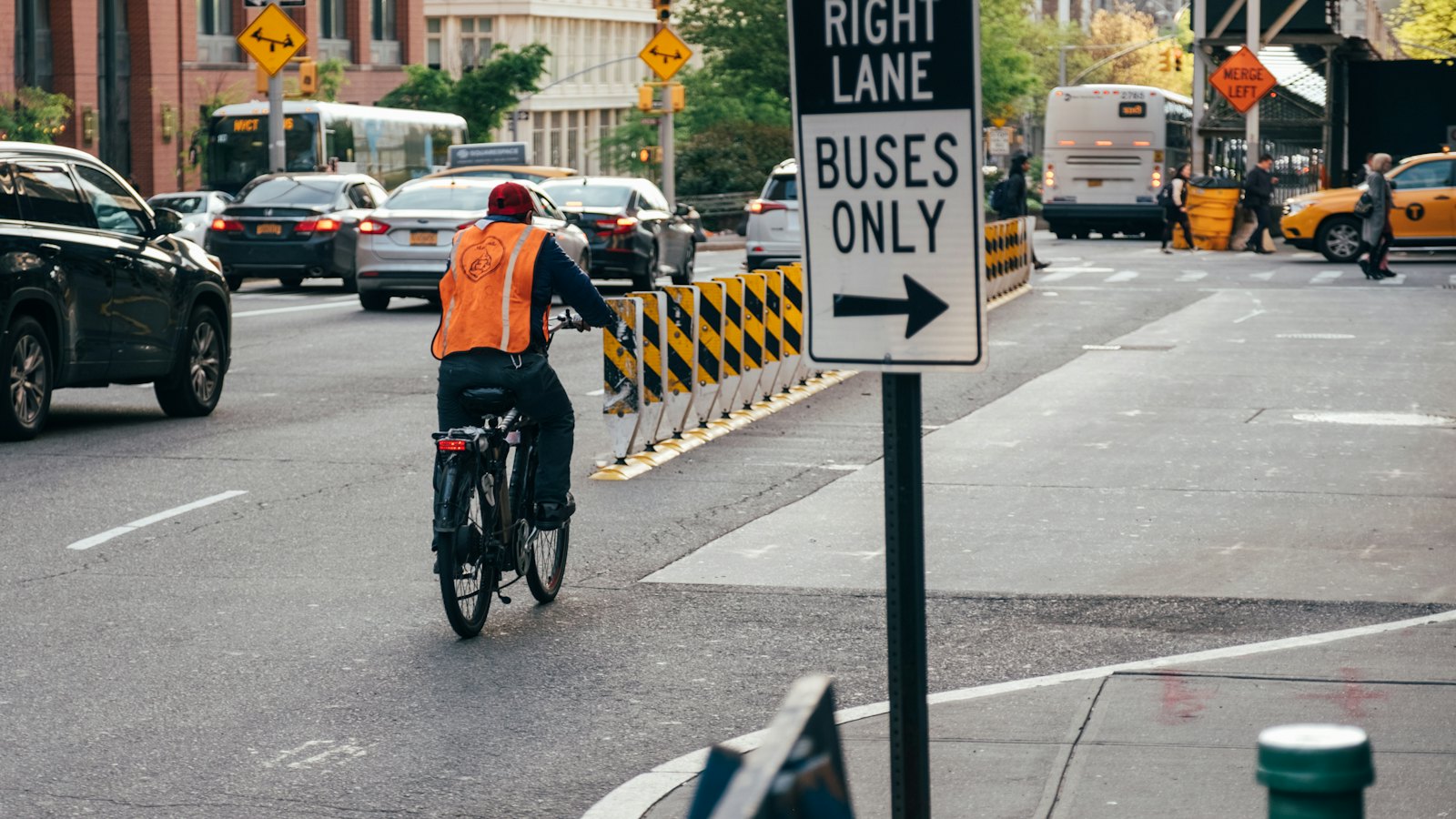
Cycling in California ranges from Tour-style group rides on PCH and Back Bay Drive to students on e-bikes in Carlsbad and Huntington Beach to commuters on Santa Monica’s protected lanes. The growth of e-bikes has brought more riders, including younger ones, onto arterials, and cities including Carlsbad and Huntington Beach have adopted local e-bike ordinances after rising collision counts. California law treats bicycles as vehicles with the same rights and most of the same duties as cars, and it adds specific protections.
Laws that protect cyclists
- Three Feet for Safety Act: a driver passing a cyclist must leave at least three feet of clearance, or slow and pass only when safe if three feet is not possible (Vehicle Code § 21760). Since January 1, 2023, drivers must move into an available adjacent lane to pass a cyclist when one exists (§ 21760 as amended by AB 1909).
- Dooring: no one may open a vehicle door on the traffic side unless it is reasonably safe and does not interfere with traffic (§ 22517). The person opening the door is at fault for a dooring.
- Right hooks: a driver turning right must merge into the bike lane before turning (§ 21717) and yield to cyclists proceeding straight.
- Lane position: cyclists may take the full lane when it is too narrow to share safely, when preparing to turn left, or to avoid hazards (§ 21202).
- Bike lanes: motor vehicles may not drive in a bike lane except to park, enter or leave the road, or prepare for a turn within 200 feet (§ 21209).
E-bikes
California classifies e-bikes as Class 1 (pedal-assist to 20 mph), Class 2 (throttle to 20 mph) and Class 3 (pedal-assist to 28 mph), and treats all three as bicycles rather than motor vehicles (§ 312.5). Class 3 riders must be 16 or older and wear a helmet; riders under 18 on any bicycle must wear a helmet (§ 21212). A device that exceeds these limits may be an unregistered motor vehicle, which affects insurance. In a collision caused by a driver, the rider’s e-bike classification rarely changes the driver’s fault, but adjusters raise helmet and age rules as comparative fault arguments.
Common cyclist collision patterns
- Right hook: a driver passes a cyclist and immediately turns right across their path.
- Left cross: an oncoming driver turns left in front of a cyclist proceeding straight.
- Dooring: a parked driver or passenger opens a door into the rider.
- Overtaking strike: a driver passes too closely or drifts into the shoulder, common on PCH and rural roads.
- Driveway and sidewalk conflicts: a driver exiting a driveway strikes a cyclist on the sidewalk or path crossing.
- Hit-and-run: cyclists are disproportionately victims of fleeing drivers.
Fault and the “cyclist was in the road” defense
Drivers and insurers often argue the cyclist should not have been where they were. The law usually says otherwise: cyclists are entitled to the road, to the full lane when narrow, and to the bike lane without intrusion. A cyclist who ran a signal, rode against traffic or was unlit at night may share fault under comparative negligence, but shared fault reduces rather than eliminates recovery.
What insurance covers an injured cyclist
The driver’s liability policy is primary. Your own auto insurance, if you have it, typically covers you as a cyclist under its uninsured/underinsured motorist and medical payments provisions. Homeowners or renters policies generally do not cover your injuries but may cover liability if you are accused of causing a collision. Health insurance covers treatment with reimbursement rights. Replacement cost of a damaged bicycle, which can be substantial, is a property damage claim against the driver.
Injuries
Cyclists commonly sustain fractures of the collarbone, wrist, arm and hip, concussions and traumatic brain injuries, shoulder injuries including AC separations and rotator cuff tears, facial injuries and road rash. High-speed overtaking collisions produce catastrophic injuries.
Cycling corridors with frequent collisions
- Huntington Beach: PCH, the beach path and Main Street.
- Newport Beach: PCH through Corona del Mar, Back Bay Drive and Newport Coast.
- San Diego: the beach communities, Balboa Park and the downtown bike network.
- Carlsbad and Santa Monica: Coast Highway 101 and protected lanes.
Local guides
City-specific pages for bicycle and e-bike accidents in California.
Common questions
A driver turned right across the bike lane and hit me. Who is at fault?
Almost always the driver. Vehicle Code § 21717 requires merging into the bike lane before turning and yielding to cyclists in it. The driver’s failure to check the mirror is negligence.
I was doored and the passenger, not the driver, opened the door. Who pays?
The person who opened the door is at fault, and the vehicle’s auto policy typically covers passengers’ negligence in using the vehicle. The driver may share fault for stopping where exiting was unsafe.
My child was on an e-bike without a helmet. Does that bar a claim?
No. The helmet issue may reduce damages for head injuries, and minors are judged by the standard of a child of similar age. The driver’s fault for the collision is unaffected.
My $6,000 bike was destroyed. Can I recover that?
Yes, as property damage from the driver’s insurer, along with damaged gear. Keep receipts and get a shop estimate or replacement quote.
Describe what happened. Attorney Elham Azimy reviews every inquiry personally and, if we can help, calls you to talk it through. Free evaluation; no fee unless we recover for you.
Sources and official resources
- Vehicle Code § 21760 (Three Feet for Safety Act)
- NHTSA — bicycle safety
- Government Code § 911.2 (six-month claim deadline against public entities)
Links go to official government, court and public-health sources. Laws change; verify current text before relying on it.